Updated: June 2026
Choosing the right Komodo dive operator safely
Choosing the Right Komodo Dive Operator Safely
Komodo National Park, renowned for its stunning marine biodiversity and vibrant coral reefs, is a diver’s paradise. a seasoned diver or a beginner, selecting the right dive operator is crucial for a safe, enjoyable experience. This guide will help you navigate the essential factors to consider when choosing a dive operator in Komodo.
Understanding Dive Certifications and Requirements
For those eyeing a Komodo liveaboard experience, it’s essential to be aware of the specific certification requirements. Most liveaboard operators in the region mandate that divers possess an Advanced Open Water (AOW) certification, particularly for dives in areas with strong currents, such as the famous Manta Point and the currents between Padar and Komodo. Without this certification, you might miss out on some of the most spectacular dives.
- Advanced Open Water (AOW): Required for many liveaboard trips, ensuring divers can handle more complex situations.
- Minimum Dives: Operators often require a minimum of 20 logged dives for trips that include challenging conditions.
- Specific Dive Depths: With many sites reaching depths of 30 meters (about 98 feet), being comfortable at depth is crucial.
Researching Best Dive Centers in Labuan Bajo
When looking for the best dive center in Labuan Bajo, conducting thorough research is essential. Start by reading reviews on platforms like TripAdvisor or diving forums. Look for dive centers with a solid reputation for safety and customer service. Some popular choices in 2026 include:
- Blue Marlin Dive: Known for its highly trained staff and an excellent safety record. Prices for day trips start around $80 (about IDR 1,200,000).
- Scuba Junkie: Offers great value packages, including equipment rental, starting at $75 (about IDR 1,125,000).
- Komodo Dive Center: Provides tailored experiences with a max diver-to-guide ratio of 4:1, emphasizing safety.
Pay close attention to the number of reviews, their recency, and the overall themes in feedback regarding safety and professionalism.
Understanding Komodo Diving Safety and Current Conditions
Diving in Komodo comes with its challenges, especially due to strong currents. Understanding the local conditions can greatly enhance your safety and enjoyment. The currents can vary significantly by season:
- December to March: Generally calmer seas with milder currents, ideal for beginners.
- April to November: Stronger currents usually occur, best suited for experienced divers.
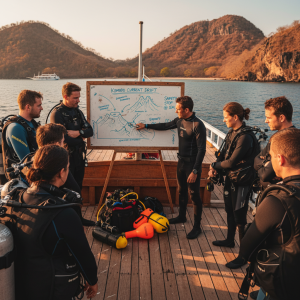
It’s crucial to discuss current conditions with your dive operator before heading out. They should conduct a thorough briefing and be equipped with safety gear, including surface markers and communication devices. A good dive center should also provide information on the specifics of each dive site, including current strength and depth.
Evaluating Guide-to-Diver Ratios
The guide-to-diver ratio is a significant aspect of ensuring your safety while diving. Most reputable dive operators maintain a ratio of 4:1 or better, which allows guides to monitor divers closely and provide assistance when needed. Ask your operator about their ratio, especially during busy seasons when many divers flock to the area.
For instance, if you are part of a larger group, inquire if they will split into smaller teams for diving. A smaller group can not only enhance safety but also improve your overall diving experience by allowing for more personalized attention from your guide.
Assessing Operator Equipment and Safety Protocols
Safety equipment is non-negotiable in the diving world. Before choosing a dive operator, ensure they provide well-maintained and up-to-date diving gear. Look for:
- Regulators: Must be serviced regularly.
- BCD (Buoyancy Control Device): Should fit correctly and function properly.
- Dive Computers: Essential for tracking your depth and time underwater, particularly in strong currents.
Beyond gear, familiarity with safety protocols is critical. A reliable dive operator will conduct pre-dive briefings, covering emergency procedures and dive site specifics. They should also offer safety equipment such as oxygen tanks, first aid kits, and emergency flotation devices.
Is Komodo Safe for Beginner Divers?
This question often arises among novice divers considering a Komodo diving adventure. While there are some sites suitable for beginners, like Kanawa Island and the coral gardens around the area, many of the more popular dive sites present strong currents that can challenge less experienced divers. Operators usually advise that beginners complete an introductory dive course before attempting more challenging dives.
In 2026, several dive operators are focusing on providing beginner-friendly experiences, ensuring that novices have the opportunity to explore Komodo under safe conditions. Dive instructors are trained to guide beginners through the process, providing ample supervision and assistance.
Komodo Drift Diving Tips
Drift diving is one of the highlights of diving in Komodo, allowing divers to glide effortlessly along vibrant reefs. However, it requires a few key considerations:
- Stay with Your Buddy: Always dive with a partner and keep an eye on each other throughout the dive.
- Listen to the Dive Briefing: Each site has unique currents, so understanding them is crucial for a successful dive.
- Use a Dive Flag: This ensures boat operators are aware of your location while you drift.
To best prepare, consider booking a dive trip during the milder months—typically from December to March—when conditions are more suited for drift diving.
Conclusion
Choosing the right dive operator in Komodo can significantly enhance your diving experience while ensuring your safety. By considering certifications, evaluating dive center reviews, understanding safety protocols, and preparing for the unique conditions of Komodo diving, you’ll be well-equipped for an unforgettable underwater adventure. Remember, a well-informed diver is a safe diver.
FAQ
- What is the minimum certification for Komodo diving? Most operators require at least an Advanced Open Water certification, especially for liveaboard trips.
- Can beginners dive in Komodo? Yes, but it’s advisable to choose beginner-friendly operators and sites with milder conditions.
- What is the average cost for a day dive trip in Komodo? Prices typically range from $75 to $120 (IDR 1,125,000 to IDR 1,800,000), depending on the operator and included services.
Ready to explore the underwater wonders of Komodo? Book your dive today!
Researching Best Dive Sites in Komodo
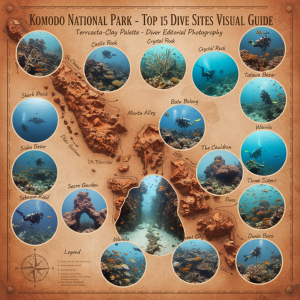
Before settling on a dive operator, familiarize yourself with the dive sites they frequent. Komodo National Park offers a range of dive spots, each with its unique characteristics. Some operators may specialize in specific areas, such as the vibrant coral gardens of Castle Rock or the thrilling drift dives at Seraya Secrets.
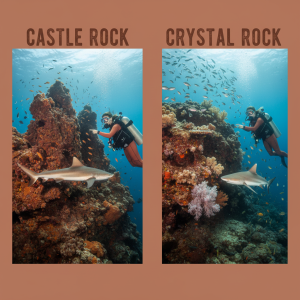
- Castle Rock: Known for its shark sightings, this dive usually showcases schools of reef sharks alongside a kaleidoscope of colorful fish. Ideal for experienced divers.
- Pink Beach: A shallower dive that allows beginners to enjoy the underwater beauty with a good chance of spotting turtles and vibrant corals.
- Manta Point: Perfect for those eager to swim with mantas, this site requires AOW certification due to the strong currents.
Additionally, research seasonal variations in marine life. For example, if you dive between June and September, you’re more likely to encounter larger pelagic species, while the months of December to March are often better for spotting mola mola (ocean sunfish).
Evaluating Safety Standards and Equipment
Safety should be your top priority when selecting a dive operator. Investigate their safety records, staff certifications, and the condition of their equipment. A reputable operator will provide a comprehensive briefing before each dive and ensure that every diver is equipped with proper gear, including:
- Regulators: Check for the age and maintenance records of the regulators being used. Ideally, they should be serviced annually.
- BCDs (Buoyancy Control Devices): Ensure that these are well-maintained and fit you properly.
- Dive Computers: Many operators now provide dive computers for each diver, ensuring that they can monitor their own dive profiles effectively.
Look for operators that conduct regular safety drills and have emergency oxygen readily available. A good sign is if they have a dedicated safety officer on board during dives.
Understanding Costs and Inclusions
Komodo dive trips can vary dramatically in cost, so it’s essential to understand what you’re getting for your money. Liveaboard prices generally range from $400 to $1,200 for a 3-day, 2-night trip, depending on the luxury level and included amenities.
| Operator | Price (USD) | Inclusions |
|---|---|---|
| Wakatobi Dive Resort | $1,200 | Accommodation, meals, 8 dives, gear rental |
| Komodo Dive Center | $600 | 3 days, 6 dives, meals, gear rental |
| Blue Water Safari | $800 | 4 days, 10 dives, gear rental, transfer |
Always clarify what is included in the package. Some operators might not include gear rental (which can range from $30 to $50 per day) or park entrance fees (around $15 per person). Moreover, consider what meals and activities are included, as dining can be a significant part of your experience.
Engaging with Customer Reviews and Recommendations
Leverage online platforms and dive forums to read recent reviews of dive operators. Check sites like TripAdvisor and Facebook groups dedicated to diving in Komodo to gather insights from recent customers. Pay attention to both positive and negative feedback, focusing on:
- Staff Knowledge: Are the dive instructors experienced and engaging?
- Customer Service: How well do they handle complaints or issues?
- Dive Groups: Are they small enough for personal attention and safety?
It’s also beneficial to ask fellow divers for recommendations based on their experiences, as personal referrals often lead to reliable choices.
Explore more from Komododivingtour
- Komododivingtour — home
- Best Time for Komodo Divingtour Travel
- Komodo Diving Tour — Planning Your Komodo Diving Trip 2026 | V…
- Komodo Diving Tour — Ultimate Guide to Komodo’s Top 15 Dive Si…
- Budget vs luxury Komodo boats and cabin types
- Top Komodo dive sites explained for all levels