Updated: May 2026
How to Choose the Best Luxury Komodo Dive Trip Operator
- Vessels: Purpose-built Phinisi schooners with modern amenities and a high crew-to-guest ratio.
- Expertise: PADI/SSI 5-Star ratings, experienced guides, and strict safety protocols with small 4:1 diver-to-guide groups.
- Itineraries: Thoughtfully crafted routes that access premier dive sites during optimal conditions, avoiding day-trip crowds.
The air is thick with the scent of salt and sun-warmed teak. Below deck, the gentle hum of the generator is a distant promise of cool air and a perfectly chilled Bintang waiting after your final dive. You are gliding through the Savu Sea, a string of volcanic islands forming a dramatic silhouette against a sky bleeding from orange to indigo. This is the prologue to every day aboard a world-class liveaboard in Komodo National Park. But this level of seamless, profound travel doesn’t happen by chance. It is the direct result of selecting a truly exceptional luxury Komodo dive trip operator, a choice that dictates everything from the thread count of your linens to the precision timing of your descent into the electric currents of Batu Bolong.
Beyond the Brochure: Dissecting the Luxury Liveaboard Vessel
The iconic image of a Phinisi schooner, with its majestic twin masts, is central to the Komodo experience. Yet, not all are created equal. The discerning traveler must look past the romantic silhouette and investigate the vessel’s very bones. The finest operators commission purpose-built yachts, not hastily converted cargo ships. These vessels, often stretching 40 to 50 meters, are crafted from Indonesian ironwood and teak by master builders in South Sulawesi. A vessel built or fully refitted within the last five years is a key indicator of quality and modern safety standards. For instance, a 2022 refit means updated navigation systems, newer engines, and refreshed interiors. The difference is palpable.
Onboard, the distinction becomes even clearer. A true luxury vessel offers no more than 8-10 cabins, ensuring an intimate atmosphere. Each should be a private sanctuary with individual climate control, ample storage, and, critically, a spacious en-suite bathroom with hot freshwater showers—a non-negotiable feature powered by high-capacity watermakers producing over 10,000 liters per day. Ask about the details. Are there dedicated camera rooms with multiple charging stations? Is there a shaded lounge area separate from the open sun deck? Does the vessel have stabilizers to mitigate rolling in open water crossings? These are not frivolous questions; they are the markers of an operator who understands that comfort is paramount to the enjoyment of a multi-day expedition. A top-tier Komodo diving tour begins with a vessel that is less a boat and more a floating boutique hotel.
The Dive Program: Gauging True Expertise and Safety
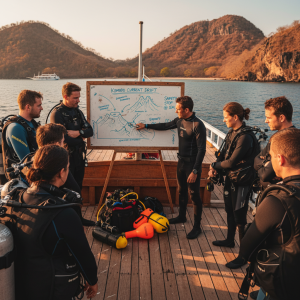
A magnificent vessel is merely the stage; the dive program is the main performance. The quality of a luxury Komodo dive trip operator is most accurately measured by the professionalism and expertise of its dive team. Look for operators with PADI or SSI 5-Star Dive Resort or Instructor Development Center (IDC) credentials. This certification is not easily earned and signifies a deep commitment to training, safety, and environmental standards. The single most important factor, however, is the guide-to-diver ratio. A luxury operation will never exceed a 4:1 ratio. This ensures personalized attention underwater, allowing the guide to point out a pygmy seahorse hiding on a gorgonian fan or to safely navigate a group through the swirling currents at The Cauldron. Anything higher, like an 8:1 ratio, is a red flag indicating a mass-market approach.
Safety infrastructure is non-negotiable. The operator should be transparent about their emergency protocols. This includes having multiple, large-capacity oxygen kits, a comprehensive first-aid station, an Automated External Defibrillator (AED), and satellite phone communication. Ask if the crew conducts regular safety drills. Furthermore, complimentary Nitrox for certified divers is a standard feature on high-end liveaboards. Diving up to four times a day for a week, the reduced nitrogen load provided by EANx32 (32% oxygen) significantly enhances safety and reduces fatigue. As my trusted divemaster in Flores, a man named Wayan with over 5,000 Komodo dives, once told me, “The currents here don’t care how beautiful the boat is. They demand respect and a guide who reads them like a book.” This is the expertise you are investing in.
Itinerary Intelligence: Crafting a Path Less Traveled
The Komodo National Park, a UNESCO World Heritage site, spans over 1,733 square kilometers of marine and terrestrial protected areas. A standard itinerary barely scratches the surface. A superior operator leverages its deep local knowledge to craft itineraries that maximize marine encounters while minimizing human ones. This means timing arrivals at iconic sites like Castle Rock or Crystal Rock to avoid the flotilla of day boats from Labuan Bajo. It means knowing precisely when the currents will be running to bring in the grey reef sharks and giant trevallies, but not so strong as to be unmanageable for experienced divers. A truly premier luxury liveaboard experience in Komodo might feature a 10-day itinerary that explores not just the central hotspots but also the cooler, nutrient-rich waters of the south around Padar and Rinca islands, and the pristine coral gardens of the north near Gili Lawa Laut.
Scrutinize the sample itinerary. Does it include surface intervals at picturesque, secluded beaches? Is the land-based Komodo dragon tour scheduled for early morning or late afternoon to avoid the midday heat and crowds? Does the route account for prevailing winds and sea conditions common during specific months? For example, the southern sites are often best from December to March, while the north offers superior clarity from April to November. An operator who provides a detailed, thoughtful plan—while also maintaining the flexibility to change it based on real-time conditions—demonstrates a commitment to providing the best possible experience, not just sticking to a rigid, cost-effective schedule. This level of logistical artistry is a hallmark of the best in the business.
The Onboard Experience: Service, Cuisine, and the Intangibles
On a luxury liveaboard, the service should be intuitive, anticipating your needs before you are even aware of them. This begins with the crew-to-guest ratio, which on the finest vessels often approaches 1:1. This means there is always someone available to offer a fresh towel, prepare a post-dive snack, or assist with your camera housing. The crew’s attitude is telling; they should be professional yet warm, creating a relaxed and welcoming atmosphere. The small details accumulate to create an overwhelming sense of being cared for: a dive logbook appearing with a cup of coffee at the end of the day, your wetsuit rinsed and hung to dry after every dive, or a freshly blended fruit juice waiting on the dive tender upon your return.
Cuisine is another area where luxury operators distinguish themselves. Forget monotonous buffets. Expect a private chef curating multi-course meals that blend Indonesian flavors with international cuisine. Menus should be varied, featuring fresh-caught tuna sashimi one day and perfectly grilled Australian tenderloin the next. Dietary restrictions should be catered to with creativity and care, not as an afterthought. The best operators provision in Bali for high-quality imported goods and source fresh produce and seafood locally from the markets in Labuan Bajo. These elements—the attentive service, the exceptional food, and the thoughtful comforts—transform the vessel from a simple dive platform into a sanctuary of relaxation and indulgence, a critical component of any top-tier komodo diving tour.
Price vs. Value: Decoding the All-Inclusive Promise
A luxury Komodo liveaboard is a significant investment, with prices for a 7-night trip typically ranging from $5,000 to over $9,000 per person. When comparing operators, it is crucial to look beyond the headline price and analyze the true value. A reputable luxury Komodo dive trip operator will be transparent and upfront about what their “all-inclusive” rate covers. This should, at a minimum, include airport transfers from Labuan Bajo’s Komodo Airport (LBJ), all meals and snacks, non-alcoholic beverages, a full dive schedule of 3-4 dives per day, tanks, weights, and the services of an expert dive guide. Critically, check if the price includes the Komodo National Park fees and port clearance fees, which can amount to over $250 per person and are sometimes added as a surprise surcharge.
The best operators also include complimentary Nitrox fills, use of sea kayaks or paddleboards, and land excursions. The primary exclusions to anticipate are crew gratuities (a customary 10-15% of the trip cost is standard), gear rental for those not bringing their own, and alcoholic beverages, though some top-tier boats include local beer. Satellite internet is another common extra, with packages often costing around $100 for the week. A transparent operator will provide a clear, itemized list of what is and is not included before you make a deposit. This clarity is a sign of professionalism and ensures there are no unwelcome financial surprises, allowing you to fully immerse yourself in the journey to one of the world’s most vibrant marine ecosystems, easily accessed from the gateway city of Labuan Bajo.
Quick FAQ: Your Komodo Questions Answered
When is the best time to dive in Komodo?
While diving is possible year-round, the prime season is during the dry months from April to November. This period generally offers the calmest sea conditions and visibility that can exceed 30 meters. The rainy season, from December to March, can still offer excellent diving, particularly for manta ray encounters in the central and southern park areas, though surface conditions can be choppier.
Do I need to be an advanced diver?
An Advanced Open Water certification is strongly recommended. While many beautiful sites are suitable for all levels, Komodo’s signature diving involves strong currents. To safely enjoy world-famous sites like Batu Bolong, The Cauldron, and Castle Rock, divers should be comfortable with drift diving and have logged at least 50 dives. Operators will require you to show proof of certification and logbooks.
What about the Komodo dragons?
Every reputable liveaboard itinerary includes at least one land excursion to see the Komodo dragons (Varanus komodoensis). These trips, typically to Rinca or Komodo Island, are always led by trained park rangers. They ensure a safe viewing distance from the world’s largest lizards, which can weigh up to 90 kilograms and run in short bursts up to 20 kilometers per hour. It is a mandatory and unforgettable part of the experience.
How do I get to the departure port?
The departure point for virtually all Komodo liveaboards is Labuan Bajo on the island of Flores. Komodo Airport (LBJ) is well-serviced with multiple daily flights from Denpasar, Bali (DPS). The flight takes approximately 60-90 minutes. A luxury operator will have a representative meet you at the airport and handle all your luggage and transfers directly to the vessel.
Choosing your operator is the single most important decision you will make in planning this journey of a lifetime. It is an investment in your safety, your comfort, and the quality of your underwater encounters. The right choice elevates a great dive trip into an unforgettable expedition, marked by seamless service and privileged access to the heart of the Coral Triangle. At Komodo Divingtour Travel, we curate voyages that embody these principles of excellence. Explore our fleet and itineraries to begin planning your definitive komodo diving tour. Let us show you the difference true luxury makes on one of our Komodo diving safaris.