Updated: June 2026
Seasickness, safety and health on Komodo boats
Understanding Seasickness, Safety, and Health on Komodo Boats
Traveling through the breathtaking Komodo waters, whether on a liveaboard or day trip, can be a transformative experience. However, seasickness, safety concerns, and health risks must be taken into consideration. This post delves into those aspects to prepare you for your journey.
Seasickness on Komodo Liveaboards
Seasickness, also known as motion sickness, can affect anyone, especially during rough waters. On a typical Komodo liveaboard, where you may spend 3 to 7 days exploring the islands and diving, it’s crucial to know how to manage this discomfort.
- How Bad Is Seasickness on Komodo Liveaboards? For many travelers, it can range from mild nausea to severe vomiting. The waters around Komodo can be choppy, particularly between December and March during the rainy season. Reports indicate that up to 30% of passengers experience some form of seasickness.
- Duration: Symptoms typically last for several hours, but can persist for days if not managed properly.
To mitigate the chances of seasickness, consider the following:
- Choose a cabin in the middle of the boat, where motion is less pronounced.
- Use sea bands or over-the-counter medications like Dramamine, which should be taken at least an hour before departure.
- Stay hydrated and eat light meals to avoid an upset stomach.
How to Avoid Motion Sickness in Komodo Waters
Taking proactive measures can significantly enhance your comfort while sailing the stunning waters of Komodo. Here are specific strategies to minimize the risk of motion sickness:
- Ginger: Consider consuming ginger candies or capsules, known for their anti-nausea properties.
- Fresh Air: Spend time on the upper deck, where you can enjoy the fresh air and stunning views while keeping your body stable.
- Focus on the Horizon: Keeping your eyes on the horizon can help your body recalibrate its sense of balance.
Many dive operators also provide briefings on how to handle seasickness, so don’t hesitate to ask for guidance from your crew.
Safety Equipment on Komodo Boats
Safety should always be your priority while traveling. Komodo boats are generally well-equipped with safety gear, but it’s essential to check before your journey. Here are some important items to look for:
- Life Jackets: All passengers should have access to life jackets, ideally fitting properly and in good condition.
- First Aid Kits: Ensure the vessel carries a comprehensive first aid kit stocked with seasickness remedies, painkillers, and antiseptics.
- Fire Extinguishers: Check for adequate fire safety equipment and that the crew knows how to use it.
- Emergency Flares and Whistles: These are essential in case of emergencies where the boat needs to signal for help.
Before you board the boat, ask the crew about the safety procedures, including how to use equipment and what to do in emergencies.
Diving Safety: Is Komodo Diving Dangerous Due to Currents?
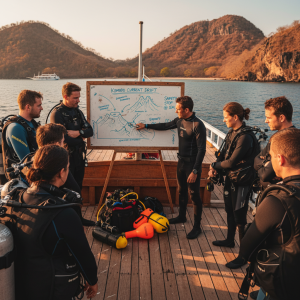
Diving in Komodo can be exhilarating but also presents challenges, particularly with strong currents. Many dive sites, like Tatawa Besar and Batu Bolong, are known for their powerful currents, which can be intimidating for inexperienced divers.
Here are some specifics regarding safety while diving:
- Experience Level: The best diving sites for beginners are around Kanawa Island and Manta Point, where currents are generally milder.
- Depth: The dive depths in Komodo often range from 10 to 40 meters (33 to 131 feet), depending on the site.
- Strong Currents: Diving during the peak currents, typically in the mornings, is advised for experienced divers who can handle the conditions.
Always dive with a reputable operator who understands the conditions and can provide proper briefings on each dive site.
Health Risks: The Danger of Komodo Dragons
While the stunning natural beauty of Komodo is captivating, the island is also home to the infamous Komodo dragon. These large reptiles can pose serious health risks if proper precautions are not taken.
- Health Risks of Komodo Dragons: Komodo dragons have a venomous bite that can lead to serious infections. Be attentive to signs and remain at a safe distance during guided tours.
- Guided Tours Only: Always explore the islands with a licensed guide who is trained to handle interactions with these creatures safely.
- Hospital Access: In case of an emergency, the nearest hospital is located in Labuan Bajo, approximately 30 minutes by boat from some of the islands. It’s advisable to have travel insurance that covers emergencies related to wildlife encounters.
Travel Insurance: A Must-Have for Komodo Diving
When planning a diving trip in Komodo, travel insurance becomes essential, especially if you’re engaging in diving activities. Most operators will require proof of insurance that covers diving-related incidents.
- What to Look For: Ensure your policy includes medical evacuation, coverage for diving accidents, and liability for any potential damage incurred during your trips.
- Cost Estimates: A comprehensive travel insurance plan can range from $50 to $150 (IDR 750,000 to 2,250,000) for a week-long trip, depending on coverage specifics.
- Emergency Contacts: Keep emergency contacts handy, including your insurance provider and the local hospital in Labuan Bajo.
Night Crossings: Is It Rough?
Many liveaboards operate night crossings to maximize diving time during the day. However, night travel on the water can be a challenging experience for some.
- Weather Conditions: Conditions can vary; during the dry season from April to November, the waters are typically calmer, making night crossings more manageable.
- Advice: If you are prone to motion sickness, it’s best to consult with the crew about the expected conditions and consider suitable medications ahead of time.
For those who feel anxious about night crossings, inform the staff, as they might have strategies that can help ease your journey.
Conclusion
Preparing for a trip to Komodo involves understanding the potential challenges of seasickness, safety protocols, and health risks. By taking the right precautions—such as choosing the correct equipment, following safety guidelines, and securing travel insurance—you’ll enhance your experience while diving among some of the most stunning marine life in the world.
FAQ
- What should I do if I feel seasick on a Komodo boat? Move to a stable part of the boat, focus on the horizon, and consider using seasickness remedies.
- How can I prepare for strong currents while diving in Komodo? Get a briefing from the dive operator, choose appropriate dive sites, and only dive within your skill level.
- Do I need travel insurance for my Komodo trip? Yes, it is highly recommended as it protects you against unexpected medical expenses and travel-related incidents.
Plan your adventure wisely and travel confidently in Komodo’s beautiful waters!
Explore more from Komododivingtour
- Komododivingtour — home
- Komododivingtour — Komodo Diving Tour FAQ | Certification, Cos…
- Best Time for Komodo Divingtour Travel
- Komodo Diving Tour — Planning Your Komodo Diving Trip 2026 | V…
- What to pack for a Komodo diving tour
- Sustainable and responsible travel in Komodo National Park