Updated: June 2026
Best time of year to dive Komodo National Park
Best Time of Year to Dive Komodo National Park
Komodo National Park, a UNESCO World Heritage site, offers some of the most spectacular diving experiences in the world. With its vibrant coral reefs and diverse marine life, knowing the best time to dive Komodo can greatly enhance your underwater adventure. The ideal diving season varies, with factors such as water temperature, visibility, and marine biodiversity influencing each month.
Understanding the Komodo Diving Season Month by Month
The diving season in Komodo National Park can be categorized into two primary periods: the wet season and the dry season. It’s essential to understand the variations within these months to plan your dive trips effectively.
- January to March: The wet season dominates these months, resulting in rougher seas and reduced visibility, averaging around 15-20 meters. However, this is also the time when you can spot whale sharks and pelagic fish.
- April to June: This marks the transition towards the dry season. Water temperatures rise to about 27-29°C (81-84°F), and visibility improves significantly, often exceeding 30 meters. April and May are particularly good for spotting manta rays, especially around sites like Manta Point.
- July and August: These months are peak diving season in Komodo. Expect warmer waters (29-31°C or 84-88°F) and excellent visibility. The currents can be strong, but the diving conditions are generally optimal. July is renowned for vibrant marine life and frequent encounters with mantas.
- September to October: As the dry season continues, the conditions remain favorable. Water temperatures dip slightly to about 26-28°C (79-82°F), but visibility stays high. This is an excellent time to dive in the south, particularly around Batu Bolong, known for its spectacular coral and fish life.
- November: November marks the end of the dry season, with water temperatures around 25-27°C (77-81°F). While visibility may start to decline, it’s still a good time for diving in the northern sites.
- December: This month is generally considered the start of the wet season. While diving conditions can be less reliable, there are often fewer crowds, which can make for a more personalized experience. Visibility may be less than optimal, ranging from 10-20 meters.
Best Month for Manta Rays in Komodo
For divers eager to swim with magnificent manta rays, the best months to visit Komodo are typically between April and August. During this period, you’ll find these graceful creatures congregating around cleaning stations, particularly at Manta Point. Observing manta rays in their natural environment is an unforgettable experience, often available during dives that last anywhere from 45 minutes to an hour.
Komodo North vs. South Diving Seasons
The northern and southern regions of Komodo National Park each have unique diving conditions influenced by seasonal changes. Understanding these differences can help you decide where to dive during your visit.
Diving in the North
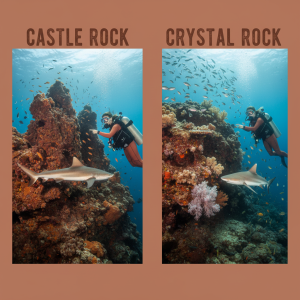
The north, featuring dive sites like Castle Rock and Crystal Rock, generally experiences calmer waters and better visibility during the dry season (April to October). The strong currents can attract larger fish, including reef sharks and schools of barracuda. The northern dive sites are particularly renowned for their vibrant coral gardens and diverse marine life.
Diving in the South
The south, including popular sites like Batu Bolong and Manta Point, is often considered the best region for encountering bigger pelagic species. The currents can be stronger in this area, especially in July and August, but the marine biodiversity here is nothing short of astounding. The waters are home to a range of species, including turtles, manta rays, and large schools of fish.
Komodo Diving Conditions in July and August
July and August are generally regarded as the best months for diving in Komodo National Park. Water temperatures hover around 29-31°C (84-88°F), and visibility often exceeds 30 meters. The currents can be strong, especially at popular dive sites like Batu Bolong, which can be exhilarating for experienced divers. For those less experienced, it’s advisable to choose sites with milder currents to ensure a safer experience.
During these peak months, expect to see an abundance of marine life, including turtles, reef sharks, and vibrant coral formations. Dive operators often report frequent manta ray sightings, making this an ideal time for those eager to encounter these majestic creatures.
Is Komodo Good for Diving in December?
Diving in December can be a mixed bag. As the wet season sets in, conditions can be less predictable. Visibility may drop to as low as 10-20 meters, and water temperatures can range from 25-27°C (77-81°F). While diving is still possible, it’s essential to remain flexible with your plans. Christmas and New Year’s can also see a spike in tourism, so advanced bookings for dive trips are recommended.
Prices and Duration of Dive Trips in Komodo
In 2026, the price for a day diving trip in Komodo typically ranges from $100 to $150 USD (1,500,000 to 2,250,000 IDR) per person, depending on the dive operator and included amenities. This price usually covers equipment rental, lunch, and guide services. For those looking to dive multiple days, many operators offer package deals, which can bring the daily rate down considerably.
Most dive trips last around 8-10 hours, with 2-3 dives included. It’s common for operators to provide refreshments and lunch onboard, making for a comfortable experience. If you’re considering a liveaboard trip, expect prices to range from $1,200 to $2,000 USD (18,000,000 to 30,000,000 IDR) for a week-long excursion.
Frequently Asked Questions
- What is the best time to dive in Komodo? The best time is generally between April and August when visibility and marine life encounters are at their peak.
- Can I see manta rays in Komodo year-round? While mantas are present year-round, the best months for sightings are from April to August.
- What should I expect for diving conditions in the wet season? Expect variable visibility and potential rough seas, especially in January through March and December.
Conclusion
Ultimately, the best time to dive in Komodo National Park hinges on your specific interests, from spotting manta rays to enjoying calm waters and vibrant coral reefs. With the right planning and understanding of seasonal shifts, your diving adventure in Komodo can be a memorable experience. Whether you’re a novice or a seasoned diver, there’s something in Komodo for everyone.
Ready to dive into the wonders of Komodo National Park? Plan your trip today!
Explore more from Komododivingtour
- Komododivingtour — home
- Komodo Diving Tour — Planning Your Komodo Diving Trip 2026 | V…
- Komodo Diving Tour — Ultimate Guide to Komodo’s Top 15 Dive Si…
- Komodo Divingtour Travel Packing Guide
- How many days in Komodo for diving and dragons