Updated: June 2026
Top Komodo dive sites explained for all levels
Understanding Komodo’s Dive Sites: A Comprehensive Guide
Komodo National Park is renowned for its spectacular underwater scenery, diverse marine life, and exhilarating dive sites suitable for all experience levels. a novice diver or a seasoned pro, the park offers countless opportunities to explore its vibrant underwater ecosystems.
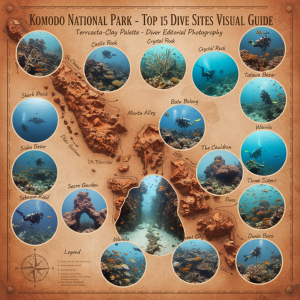
1. Manta Point
One of the most iconic dive spots in Komodo, Manta Point is a must-visit for divers looking to encounter majestic Manta Rays in their natural habitat. This dive site, located near Nusa Penida, is accessible year-round, with the best months being April to November. The dive depth ranges from 10 to 18 meters and typically features mild to moderate currents, making it suitable for divers of all skill levels.
As you descend, you can expect to see schools of colorful reef fish, vibrant corals, and, of course, the star of the show—the Manta Rays. Their graceful movements as they glide through the water is an unforgettable experience. Visibility often reaches 20 meters, providing perfect conditions for photography and observation.
2. Castle Rock
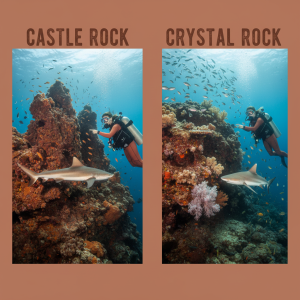
Castle Rock is another highlight of Komodo diving, famous for its dramatic underwater topography. This site is known for its strong currents, making it more suitable for advanced divers with a good level of experience. The dive depth here varies from 12 to 35 meters, and due to its challenging conditions, divers should be comfortable with drift diving techniques.
The site is teeming with marine life, including large schools of trevally, barracuda, and even the occasional shark. The rock formations create stunning backdrops for underwater photography, with vibrant corals adorning the area. The best time to dive Castle Rock is from April to November, when conditions are optimal.
3. Crystal Rock
Located just a short distance from Castle Rock, Crystal Rock is renowned for its stunning visibility and vibrant marine life. The dive depth here ranges from 10 to 30 meters, but divers should be prepared for potential strong currents. It’s advisable to dive this site during the dry season, particularly from April to June, to enhance your experience.
The underwater landscape features dramatic coral gardens and lush reef systems, making it a popular spot for both divers and snorkelers. Expect to see a plethora of species, including turtles, reef sharks, and a variety of tropical fish. Visibility often exceeds 25 meters, providing an excellent opportunity for underwater photography.
4. Batu Bolong
Batu Bolong is a dive site that encapsulates the beauty of Komodo National Park. This spot features a steep drop-off with depths reaching up to 40 meters, and divers can experience moderate to strong currents, making it suitable for advanced divers. The best months to dive Batu Bolong are generally from April to November.
The site is characterized by its rich biodiversity, with an abundance of corals and marine life. You can expect to see large schools of fish, vibrant nudibranchs, and pelagic species such as tuna and sharks. The mesmerizing underwater topography makes this site a favorite among divers seeking adventure.
5. Easy Dive Sites for Open Water Divers
For those who have recently completed their Open Water certification, Komodo offers various easy dive sites that provide a comfortable learning experience while still showcasing the beauty of the underwater world. Some popular choices include:
- Pengah Island: This site features gentle currents and depths ranging from 5 to 15 meters, ideal for new divers. Expect to see colorful reefs and small fish.
- Siaba Kecil: Known as the “Turtle City,” this site offers a relaxed diving experience with the chance to spot turtles and vibrant coral gardens.
- Gili Lawa Laut: A great dive site for beginners, featuring shallow depths and mild currents, showcasing beautiful coral walls and diverse marine life.
These sites are usually less crowded and can be a great way to build confidence while enjoying the rich marine biodiversity of Komodo.
6. South Komodo Dive Sites
The southern region of Komodo is home to diverse dive sites, each with unique features and marine life. A few notable spots include:
- Pickles Point: A hidden gem known for its colorful hard corals and small critters, making it excellent for macro photography.
- Karang Makassar: Famous for its Manta Ray encounters, this site has gentle currents and depths of 10 to 15 meters, perfect for a relaxed dive.
- Yellow Wall: A stunning site featuring a vibrant wall covered in yellow and purple corals, ideal for both diving and snorkeling.
Each of these sites offers unique experiences tailored to divers of various skill levels and is best explored during the dry season from April to November.
7. Komodo Snorkeling vs. Diving: Which Sites to Choose?
For those who are not certified divers, snorkeling is an excellent way to explore the waters of Komodo. Certain sites cater specifically to both snorkeling and diving, allowing for a versatile experience. Popular snorkeling spots include:
- Pink Beach: Known for its unique pink sands, this site offers shallow waters teeming with colorful fish and coral.
- Kanawa Island: A tranquil spot with crystal-clear waters, perfect for both snorkeling and diving, featuring a rich coral reef.
- Rinca Island: Although known for its land-based Komodo dragons, the surrounding waters are excellent for snorkeling and spotting diverse marine life.
Choosing between snorkeling and diving often depends on your comfort level and experience, but both options provide unique ways to experience the beauty of Komodo’s underwater ecosystems.
FAQs about Komodo Diving
1. What is the best time to dive in Komodo National Park?
The best time to dive is during the dry season, from April to November, when visibility is at its peak, and marine life is abundant.
2. What are the diving costs in Komodo?
Prices for diving tours typically range from $70 to $150 USD (1,000,000 – 2,200,000 IDR) per day, depending on the dive site and services included, such as equipment rental and meals.
3. Can I dive without being certified?
While some dive sites are suitable for beginners, it is recommended to take an accredited diving course (like PADI or SSI) for safety and skill development before exploring deeper waters.
Conclusion
Komodo National Park is a diver’s paradise, offering a plethora of dive sites that cater to every skill level. From the thrilling currents of Castle Rock to the serene waters of Pengah Island, each location showcases the remarkable diversity of marine life. Whether you choose to dive or snorkel, the stunning beauty of Komodo awaits you. Are you ready to explore the depths of this natural wonder?
Explore more from Komododivingtour
- Komododivingtour — home
- Komodo Diving Tour — Planning Your Komodo Diving Trip 2026 | V…
- Komodo Diving Tour — Ultimate Guide to Komodo’s Top 15 Dive Si…
- Komodo Divingtour Travel Packing Guide
- Choosing the right Komodo dive operator safely
- Planning a Komodo snorkeling-focused boat trip